
Indian fabric traditions don't follow fashion weeks. Weavers work on handlooms passed down through generations. Silk threads shimmer in morning light. Cotton gets spun into magic. This isn't mass production stuff. Real textiles and fabrics of India mean accepting centuries-old techniques while discovering crafts that transform casual shoppers into textile obsessives.
Happens every time. The country spans diverse weaving traditions from Kashmir's pashmina valleys to Kanchipuram's silk temples. Each region creates fabrics found nowhere else on Earth. Banarasi weavers work gold threads into silk sarees. Khadi spinners follow Gandhi's independence movement legacy. Ajrakh block printers use indigo dyes their ancestors perfected centuries back.
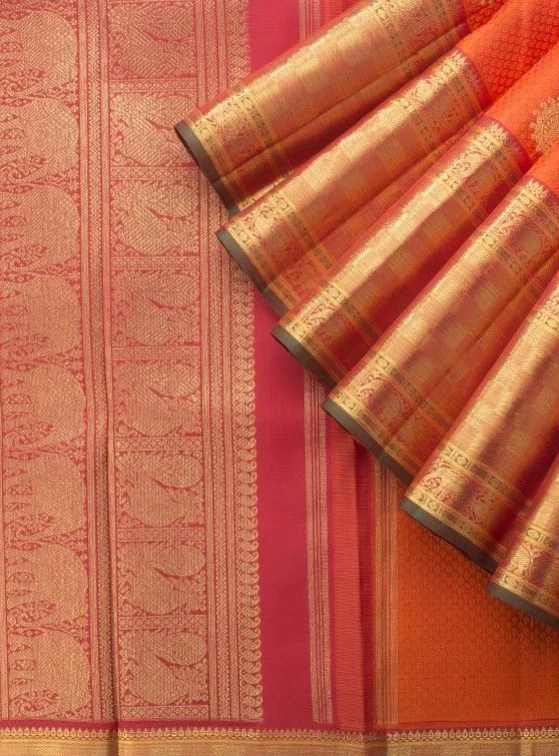
Kanjivaram silk sarees are a hallmark of South Indian culture, originating from Kanchipuram, Tamil Nadu.
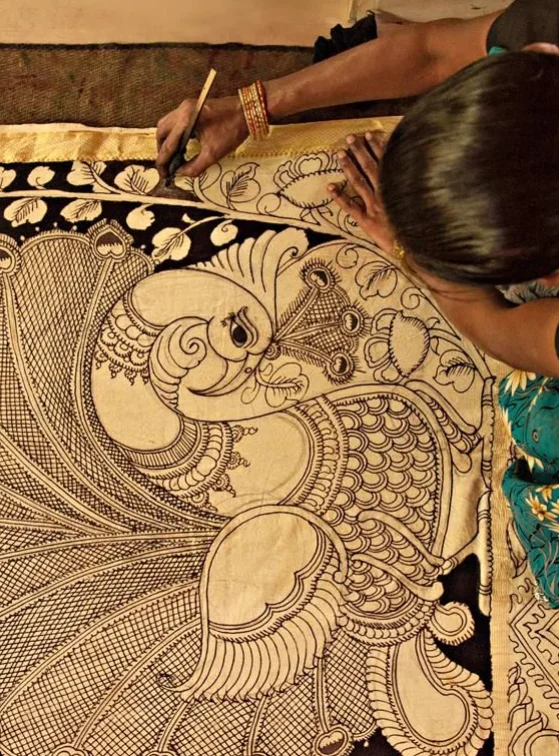
Originating in Andhra Pradesh, Kalamkari is a resplendent type of cotton textile that's block-printed or hand-painted beautifully.
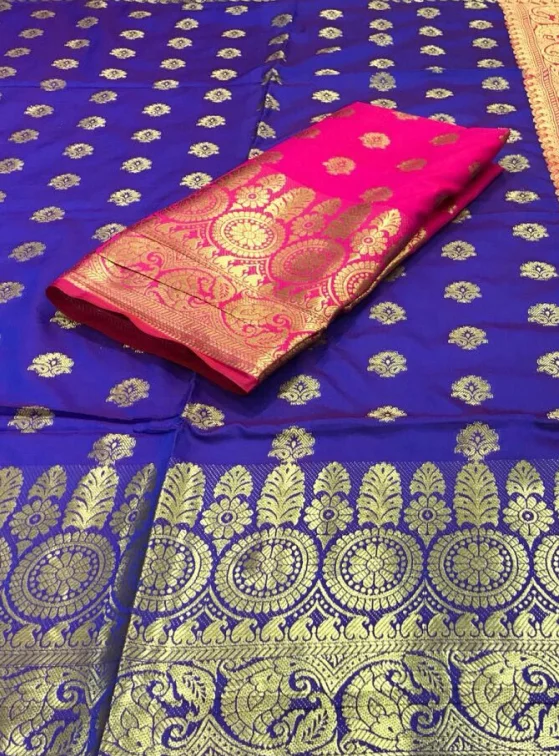
Banarasi silk is renowned for its luxurious texture and intricate designs. Originating from the holy city of Varanasi,
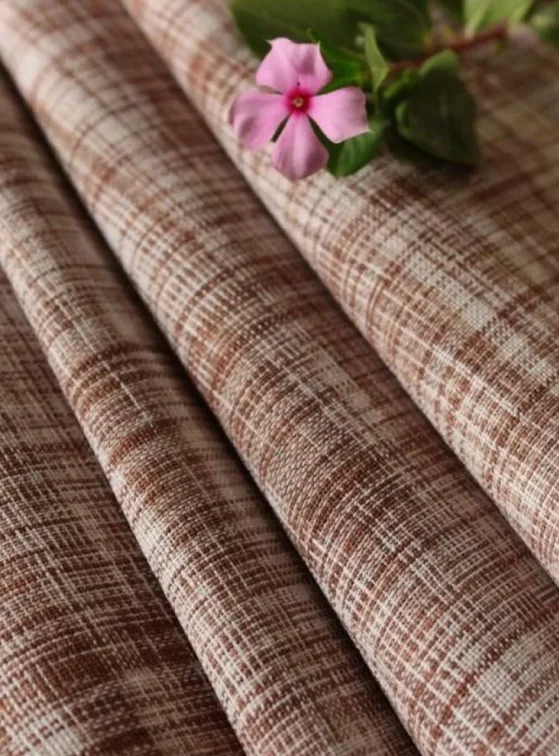
Derived from the word Khadar, Khadi is considered a handspun and hand-woven natural fibre cloth.
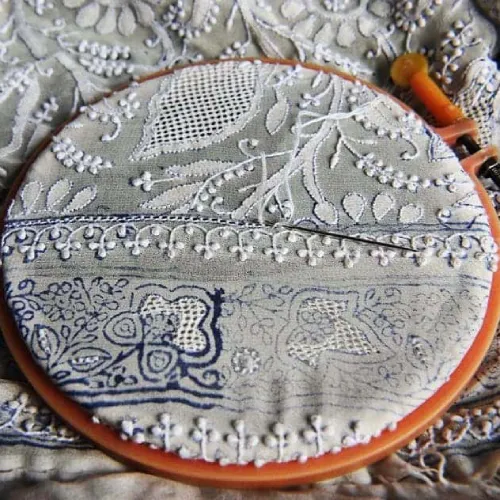
Chikankari is a delicate and intricate form of hand embroidery that hails from Lucknow.
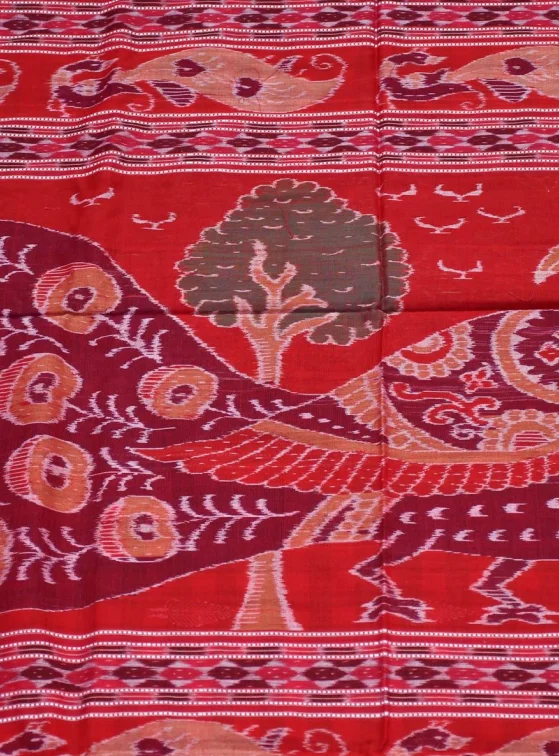
Sambalpuri fabric is a traditional handwoven textile from the Sambalpur region of Odisha.
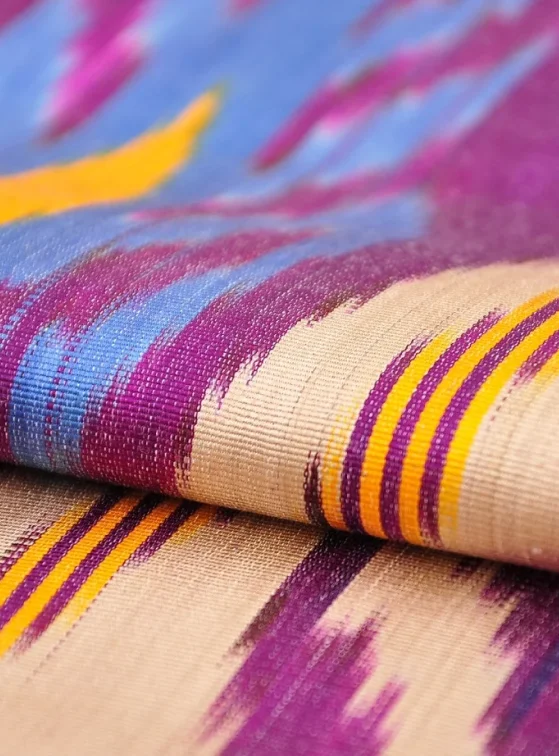
Ikat fabric is characterized by its unique dyeing technique, where the yarns are dyed before weaving.
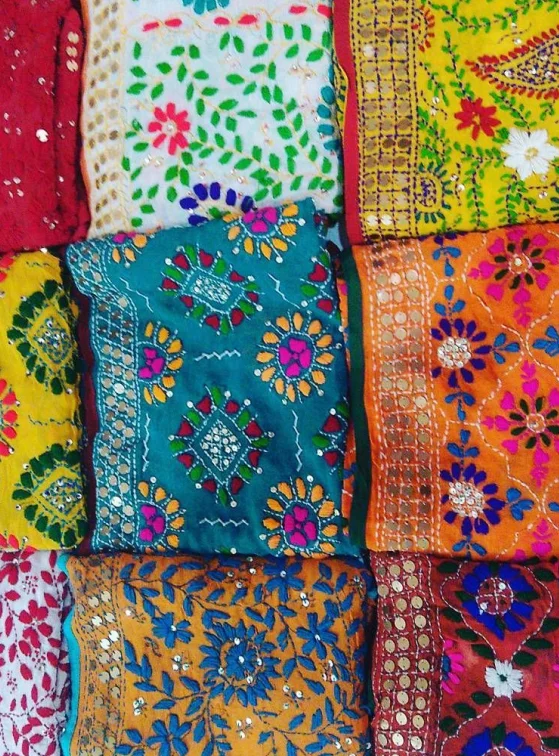
Phulkari is a traditional embroidery style from Punjab, characterized by its vibrant floral patterns.
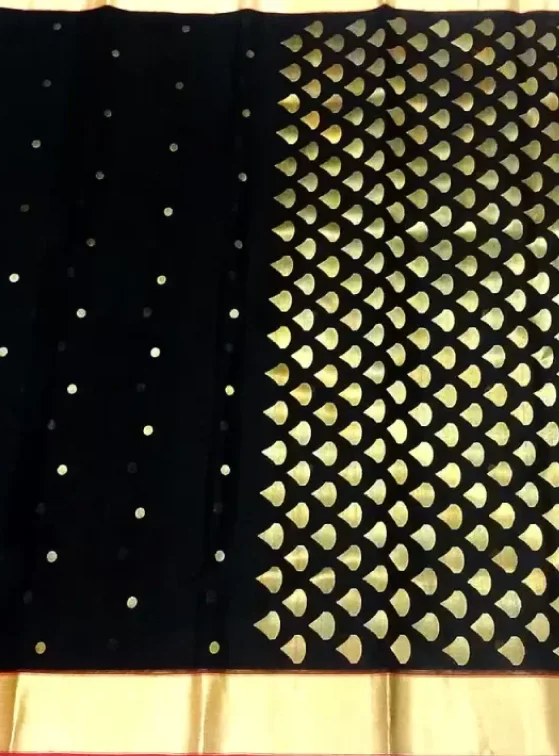
Chanderi fabric is a lightweight and sheer textile that originates from the town of Chanderi in Madhya Pradesh.
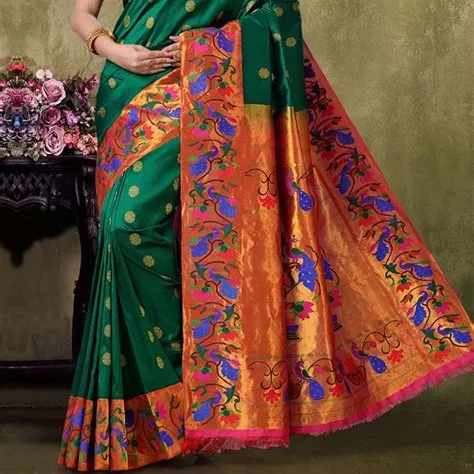
Paithani brocade is a traditional handwoven textile from Aurangabad, Maharashtra, known for its rich colors and intricate designs.
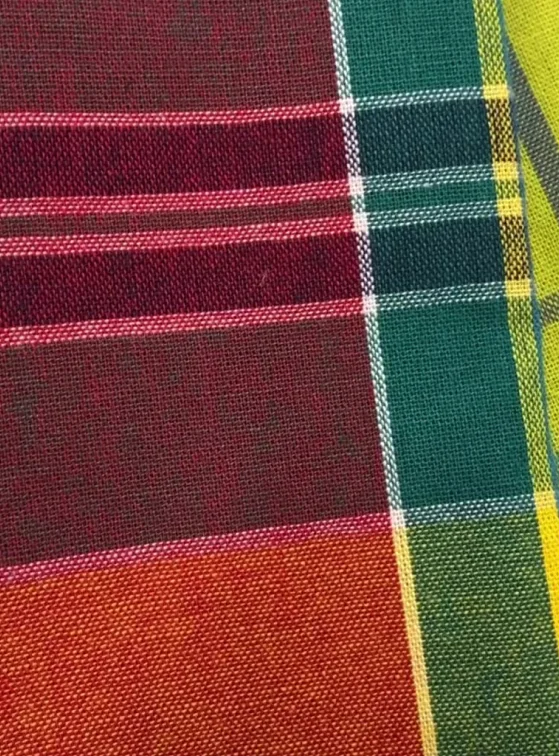
Madras checks, originating from Chennai, Tamil Nadu, are known for their vibrant colors and distinctive plaid patterns.
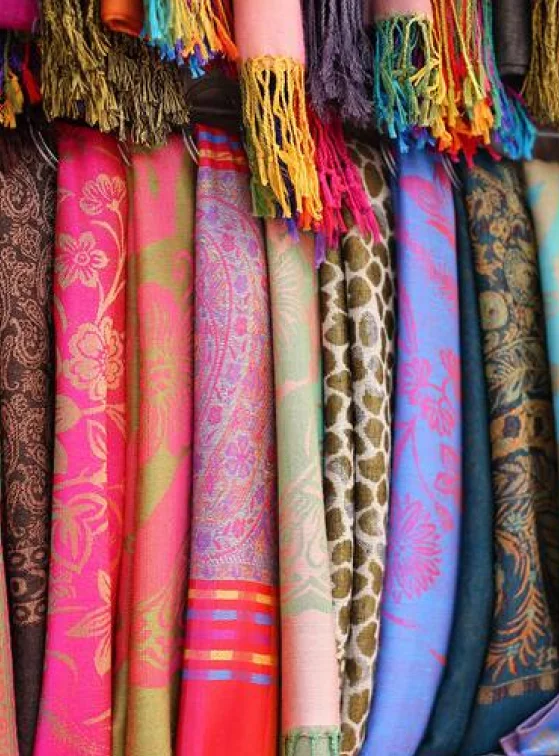
Pashmina is a luxurious fabric made from the fine wool of the Changthangi goat, native to the high altitudes of Kashmir.
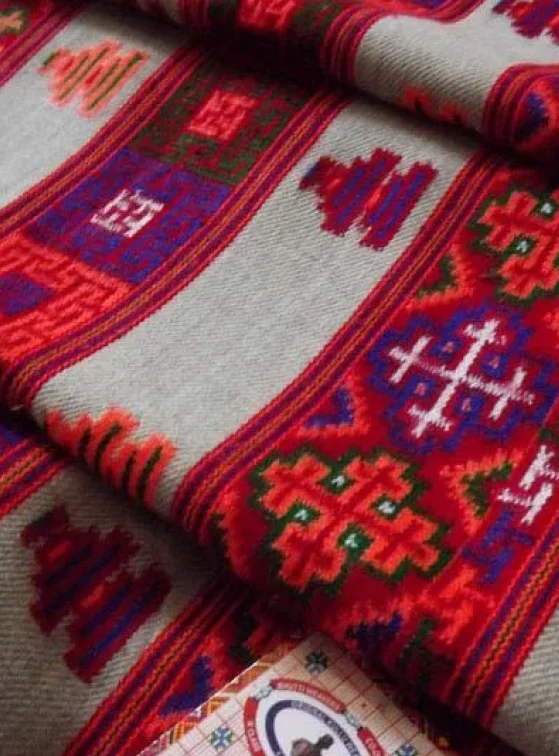
Kinnauri shawls are traditional handwoven textiles from the Kinnaur district of Himachal Pradesh.
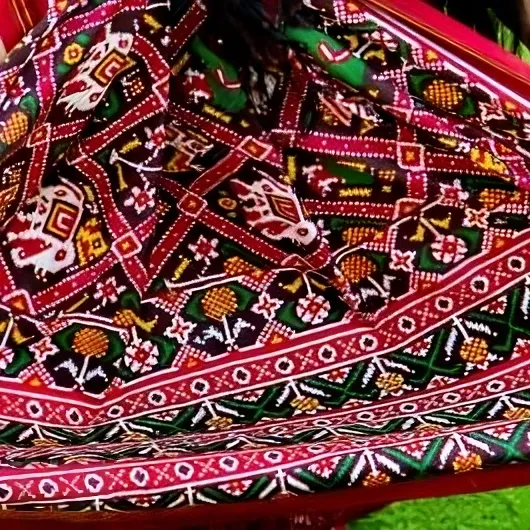
Patola fabric is a double-ikat textile that originates from Patan, Gujarat, known for its vibrant colors and intricate patterns.
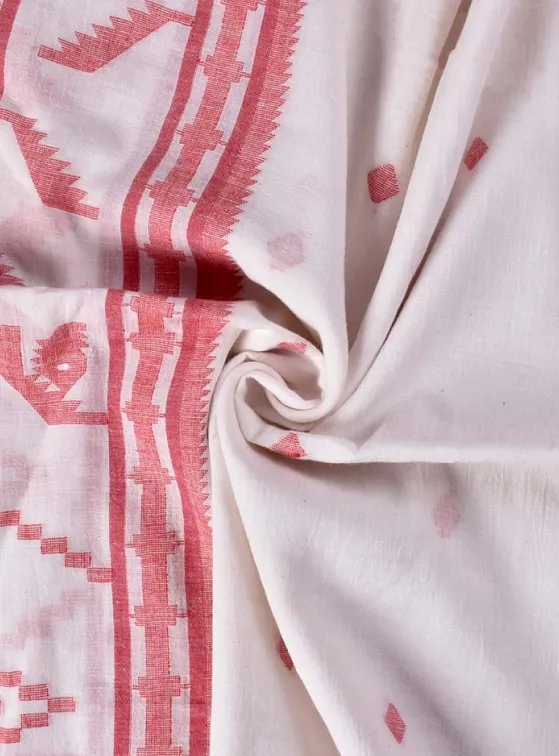
Jamdani is a traditional handwoven fabric from West Bengal, known for its fine quality and intricate designs.
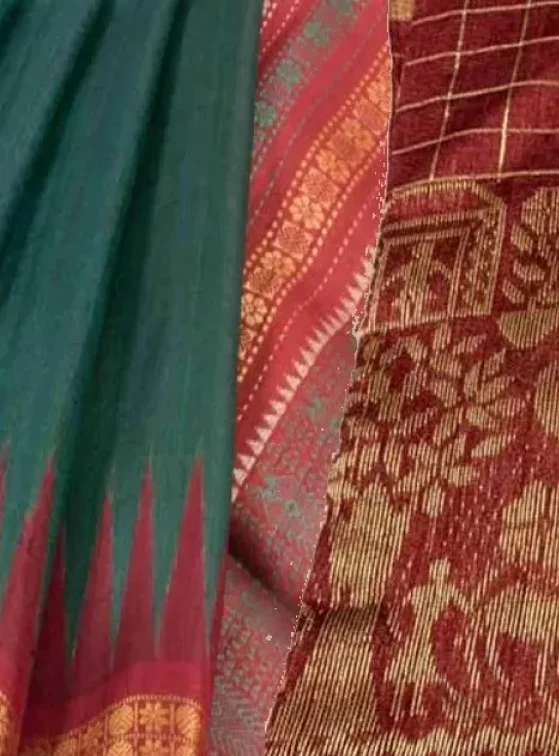
Bhagalpuri silk, hailing from Bhagalpur in Bihar, is known for its rich texture and vibrant colors. This fabric is often woven with intricate designs and patterns,
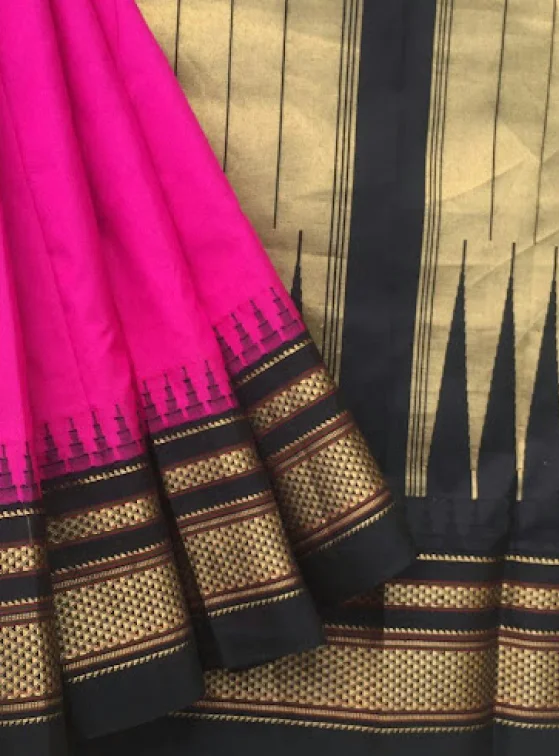
Narayan Peth sarees are traditional handwoven textiles from Solapur, Maharashtra, known for their vibrant colors and intricate designs.
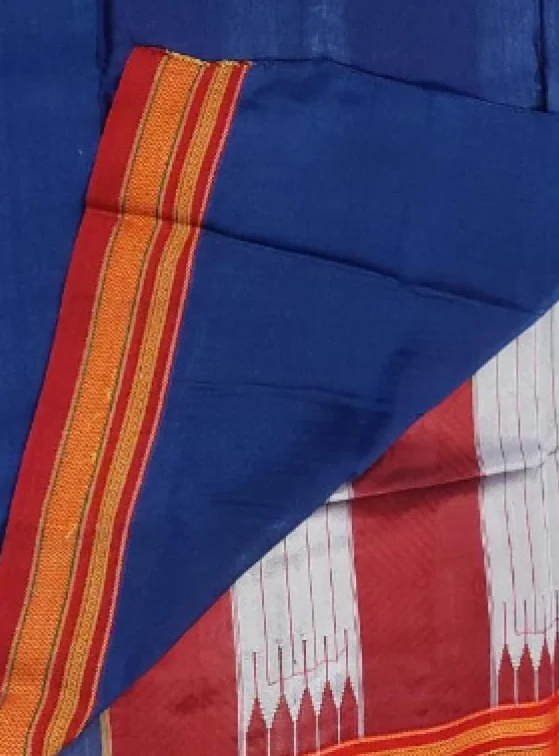
Ilkal sarees are traditional handwoven textiles from the Ilkal region of Karnataka, known for their unique weaving technique and vibrant colors.
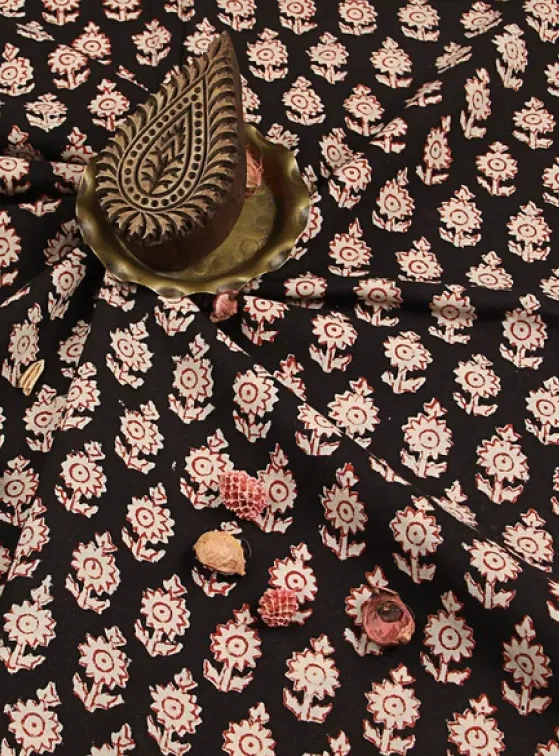
Bagru print is a traditional block-printing technique from Rajasthan, known for its vibrant colors and intricate designs.
Varanasi operates like Silk Central. Ancient temples provide perfect backdrops for Banarasi saree shopping. Narrow lanes buzz with handloom sounds where master weavers create patterns passed down through family generations. Zari work – that famous gold thread embroidery everyone mentions – takes months per saree. Pure artistry stuff.
Kanchipuram packs more silk tradition into a temple town than anywhere else in South India. Traditional weavers recognise quality through thread thickness and colour combinations built from decades of working with identical patterns. Temple festival seasons catch real action when women select wedding sarees through generations of family knowledge while priests chant prayers from nearby shrines.
Chanderi mixes cotton with silk, creating lightweight fabrics perfect for Indian weather. Handloom families work traditional patterns while adapting to contemporary demands. Master craftsmen share weaving secrets invisible to machine production. Proper textile heritage.
Gujarat's Kutch combines block printing with mirror work, showcasing regional diversity. Wild artisan families emerge from desert villages for craft exhibitions. Bandhani tie-dye techniques bounce across fabric surfaces like controlled chaos. Rabari embroidery covers everything from shawls to wall hangings found nowhere else globally.
Odisha protects ikat weaving that nearly disappeared. Completely. Village cooperatives cross rural landscapes where these pattern-resistant weavers create designs through precise thread placement. Sambalpuri fabrics, temple textiles, and traditional gamchas share this UNESCO craft recognition. Gets international attention every year. Artisans adapt.
West Bengal creates jamdani through an intricate supplementary weft technique. Handloom masters navigate complex patterns while maintaining traditional motifs adapted to contemporary life. Local weaving communities share techniques with design students through a careful balance developed over generations.
Rajasthan remains India's textile design laboratory. These colourful fabrics behave differently from plain cottons. Often feature block prints, mirror work, and intricate embroidery patterns under the desert sun. Craft villages stay traditional distances while observing tourist demand and cultural preservation, unique to this textile-rich state.
Punjab offers phulkari embroidery in handwoven khadi. Vibrant silk threads dance across a cotton base, creating geometric patterns. Golden threads patrol fabric surfaces adapted to extreme climate living. Good luck finding machine-made versions with identical soles.
Assam inspired muga silk through a diverse ecosystem supporting golden silk worms, traditional pat silk, and serious eri silk numbers. Handloom and traditional weaving create a perfect collaboration, while open villages provide excellent craft viewing during harvest months.
Multi-day craft immersion provides total textile education. Way beyond standard shopping trips. Participants learn dyeing techniques, block printing, and handloom operation from experienced artisans. Evening discussions cover design evolution, cultural significance, and craft preservation strategies.
Workshop tours inside weaving centres teach traditional methods while emphasising ethical sourcing. Master craftsmen share technical knowledge about natural dyes, thread preparation, and pattern creation specific to regional traditions. Programmes often produce beautiful textiles alongside comprehensive cultural education.
Village expeditions through textile zones combine cultural challenges with craft history lessons. Guided walks through weaver colonies reveal production secrets invisible from showroom visits. Discover spinning techniques, natural dyeing, and traditional printing methods. Deeper cultural appreciation develops.
Kutch Rann Utsav transforms the desert landscape into the central textile exhibition. Traditional craftsmen from remote villages converge during the winter months, creating spectacular shopping opportunities. Craft demonstrations under starlit skies while folk musicians perform regional songs echoing across salt flats.
Surajkund Crafts Mela in Delhi offers structured textile showcasing during February. Artisans descend from higher regions seeking customers. Accommodation in temporary stalls provides cultural immersion alongside textile pursuits. Success rates vary wildly. Encounters with rare crafts, dyeing techniques, and master weavers guarantee memorable experiences, though.
The Pochampally Ikat Festival involves extended celebrations at strategic weaving locations. Pattern concentrations attract textile enthusiasts from across India. Participants learn traditional resist-dyeing, enabling survival in competitive markets. Contribute to craft preservation projects, documenting regional variations.
Kochi's spice route history combines maritime trade stories with textile traditions. Chinese fishing nets provide perfect backdrops. Antique textile shops along Jew Town display centuries-old fabrics, while spice merchants share stories about historical trade connections. Portuguese influences blend with local weaving customs.
Kumbakonam temple textile tours include traditional handloom visits. Temple festival seasons catch real action. Silk weaving for deity clothing requires specific thread qualities and colour combinations unknown to commercial production. Local families maintain these skills through generations of temple service.
Theyyam costume crafting in North Kerala showcases intricate textile work combined with cultural performances. Village artisans create elaborate costumes using traditional methods passed down through oral traditions. Each design carries spiritual significance, connecting textile craft with religious practice.
Srinagar's pashmina production involves extended processing stages. Cashmere goat hair gets sorted, cleaned, and spun into fine threads perfect for Kashmir's extreme weather. Hand-spinning techniques preserve fibre quality, impossible to replicate through industrial methods. Master craftsmen identify genuine pashmina through touch and drape.
Pochampally's geometric ikat patterns cover everything from sarees to contemporary home furnishings. The design mathematics behind repeat patterns requires exceptional planning skills. Colour calculations spanning multiple warp threads create optical illusions visible only when the complete fabric gets cut from the looms.
Maheshwar's cotton weaving along the Narmada riverbanks produces fabrics with distinctive borders. Handloom families work traditional patterns while accepting contemporary colour preferences. Natural river water creates specific dye results impossible to achieve through artificial alternatives
Textile tourism directly funds artisan training programmes, protecting traditional crafts. Workshop fees, product purchases, and accommodation costs support weaving communities economically dependent on handloom production. Responsible tourism creates craft preservation incentives. Provides alternative incomes, reducing urban migration.
Educational components raise awareness about dying traditional methods facing industrial competition. Visitors learn about chemical dye impact, machine production effects, and fast fashion consequences. These experiences inspire conscious shopping decisions. Environmentally responsible lifestyle changes often follow.
Community-based textile tours around craft centres ensure local populations benefit from traditional knowledge preservation. Artisan homestays, design workshops, and traditional technique demonstrations provide additional income. Preserve indigenous pattern libraries, crucial for cultural continuity.
Seasonal timing dramatically affects craft centre activities. Winter months provide optimal workshop opportunities when cotton processing stays comfortable. Artisans concentrate teaching activities during post-harvest periods. Festival seasons transform craft demonstrations but limit individual attention in many regions.
Accommodation ranges from heritage properties with textile collections to artisan guesthouses. Authentic craft experiences. Advance booking is essential during peak craft seasons when popular centres reach tourist capacity.
Transportation planning requires considering remote village locations, often needing multiple connections. Direct buses serve some craft areas. Others demand lengthy journeys through rural regions. Local guides specialising in cultural tours of India understand artisan schedules and optimal workshop timings.
Professional craft interpreters enhance experiences through expert knowledge about textile history, regional variations, and cultural significance. Their explanation transforms simple shopping into a comprehensive cultural education. Traditional techniques, symbolic meanings, and economic importance are covered.
Weather preparation is crucial for outdoor activities spanning diverse climates. Desert heat to mountain cold. Appropriate clothing, dust protection, and comfortable walking shoes determine experience quality during extended craft village explorations.
Textiles and fabrics of India reward visitors approaching traditions with patience, respect, and genuine curiosity. Every workshop creates a unique understanding impossible to replicate elsewhere. Cultural preservation stories unfold through tourism, supporting artisan livelihoods while providing unforgettable experiences connecting travellers with India's remarkable textile heritage.